Transportation, traffic, and public transit are central issues in the Gwinnett County Commission Chair race. As the county grows, residents face increasing congestion, longer commutes, and rising demand for efficient transportation solutions. The Commission Chair plays a key role in guiding policies and funding priorities that directly affect how people travel, the safety of roadways, and the overall mobility of the community.
Understanding where candidates stand on these topics helps voters assess which leadership approaches align with the county’s long-term infrastructure needs.
Table of Contents
Transportation Overview
| Focus Area | Candidate Considerations |
|---|---|
| Road Infrastructure | Maintenance, expansion, and modernization |
| Traffic Management | Congestion reduction, signal optimization |
| Public Transit | Bus routes, commuter options, sustainable transit |
| Funding Priorities | Allocation of tax revenue to transportation projects |
| Growth Impact | Planning for new developments and increasing population |
Road Infrastructure Priorities
Candidates recognize that well-maintained roads are critical to daily life. Proposals typically focus on repairing aging surfaces, expanding lanes in high-traffic areas, and improving connectivity between neighborhoods and commercial centers.
Road infrastructure decisions affect commute times, safety, and local economic activity. Voters evaluate candidates on their ability to implement cost-effective, long-term solutions rather than short-term fixes.
Traffic Management Strategies
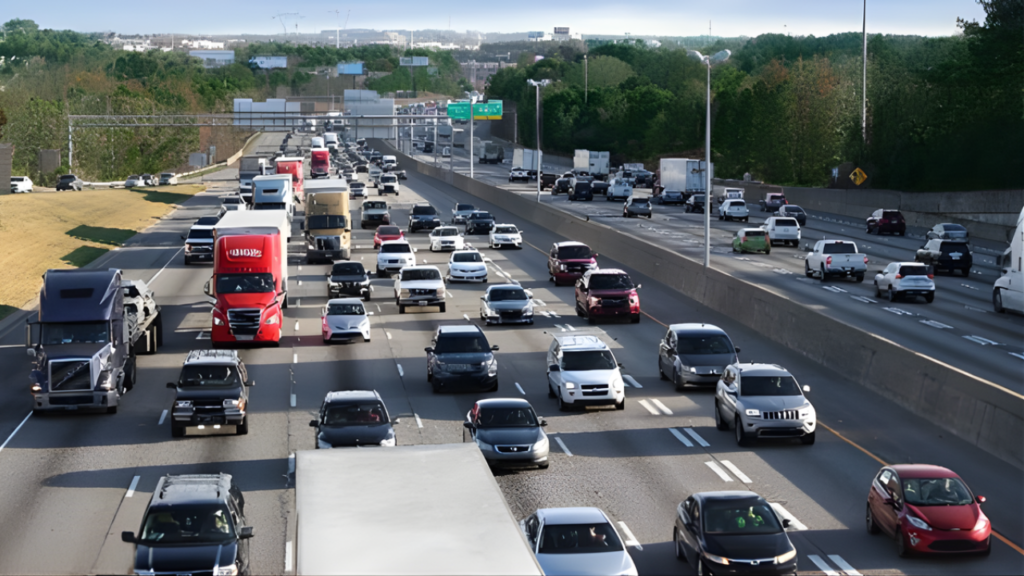
Traffic congestion is a pressing concern for Gwinnett residents. Commission Chair candidates present varying strategies to reduce delays, including:
- Optimizing traffic signal timing
- Introducing smart traffic technology
- Planning for bypass routes or alternate corridors
Effective traffic management improves safety and quality of life. Residents often look for candidates who balance immediate congestion relief with sustainable planning for future population growth.
Public Transit Initiatives
Public transit options in Gwinnett County, such as bus networks and commuter services, are under scrutiny as the county grows. Candidates propose initiatives like:
- Expanding routes and frequency
- Improving accessibility for underserved areas
- Integrating transit with regional systems for efficiency
Transit solutions affect mobility for residents without cars, reduce traffic congestion, and support environmentally sustainable travel options.
Funding and Budget Allocation
Transportation projects rely heavily on budget decisions made by the Commission Chair and board. Candidates outline differing funding priorities, with some emphasizing road improvements, while others advocate for increased investment in public transit and pedestrian-friendly initiatives.
Voters consider how candidates plan to balance cost, efficiency, and long-term impact when allocating county resources for transportation.
Growth and Development Considerations
Population growth and new developments create additional transportation challenges. Candidates address how to manage traffic from expanding neighborhoods, commercial zones, and schools. Planning includes anticipating future demand to prevent congestion from worsening over time.
Effective leadership ensures that infrastructure development keeps pace with growth without overburdening residents or compromising safety.
Safety Focus
Traffic safety remains a key concern for voters. Candidates propose measures such as:
- Improved signage and road markings
- Enhanced pedestrian crossings and bike lanes
- Speed enforcement and accident reduction strategies
Safety considerations are central to public support, particularly for families and commuters who navigate busy roads daily.
Technology and Innovation
Some candidates emphasize using technology to improve traffic flow and transit efficiency. This may include traffic monitoring systems, data-driven planning, and innovative commuter solutions.
Technological adoption can reduce congestion and enhance the effectiveness of transportation investments, making innovation a key differentiator between candidates.
Community Input and Engagement
Public feedback is critical in transportation planning. Candidates often pledge to hold community meetings, surveys, and forums to gather input on transit priorities, road projects, and congestion concerns.
Engagement ensures that infrastructure investments reflect resident needs and expectations, fostering trust in leadership decisions.
Comparative Candidate Approaches
- Roads Focused: Prioritize maintenance and expansion of existing roadways to reduce congestion.
- Transit Focused: Invest in bus networks, commuter options, and sustainable public transportation.
- Balanced Approach: Combine road improvements with transit expansion and traffic management strategies.
These distinctions allow voters to assess which approach best aligns with their commuting needs and community priorities.
Long-Term Planning
Candidates’ visions for transportation impact the county for decades. Long-term planning considers population trends, economic growth, and environmental sustainability. The Commission Chair’s decisions set the tone for how Gwinnett County manages mobility challenges over time.
Residents benefit when leadership balances immediate improvements with future-focused strategies that ensure efficient, safe, and sustainable transportation systems.
Wrapping Up
Transportation, traffic, and transit remain critical factors in the Gwinnett County Commission Chair race. Candidates’ positions reflect their priorities for road maintenance, congestion reduction, and public transit expansion. By understanding these proposals, voters can make informed decisions about which candidate is best equipped to lead Gwinnett County toward a safer, more efficient, and accessible transportation future.