County elections play a critical role in shaping local governance, policies, and community services. The 2025–2026 election cycle in Gwinnett County will determine leadership across key offices, including the Commission Chair, county commissioners, school boards, and municipal positions. Understanding the structure and significance of these elections is essential for informed voter participation.
This guide provides clarity on what positions are up for election, how the electoral process works, and why voter engagement directly impacts the county’s future. By knowing the stakes, residents can make decisions that reflect their priorities and ensure accountable leadership.
Table of Contents
Election Overview
| Position | Role and Responsibility |
|---|---|
| Commission Chair | Approve budgets, guide zoning and development, and manage county operation.s |
| County Commissioners | Approve budgets, guide zoning and development, and manage county operations.s |
| School Board Members | Oversee local schools, curriculum, budgets, and student services |
| Municipal Officials | Manage city-level services, planning, and local ordinances |
| Judicial Positions | Administer legal processes and maintain local court systems |
Election Structure
County elections differ from state and federal contests in scale but not in significance. Positions like Commission Chair and county commissioners directly influence daily life, including public safety, infrastructure, and fiscal policies. Elections follow a structured cycle, with primaries, general elections, and occasional runoffs depending on candidate outcomes.
Understanding the sequence and timeline helps voters plan participation. Early engagement, registering to vote, and attending candidate forums ensure residents can evaluate options effectively before casting ballots.
Key Positions
The Commission Chair holds one of the most visible and influential roles, presiding over meetings, guiding county priorities, and ensuring operational efficiency. County commissioners collectively shape policies affecting zoning, development, and public services. School board elections influence the educational environment and resource allocation. Municipal positions manage city-level decisions that directly affect neighborhoods.
Voters should evaluate candidates on experience, leadership style, and policy vision. Each office has unique responsibilities, but together they define the county’s strategic direction and quality of life.
Election Timeline
The 2025–2026 cycle includes primaries for party candidates, followed by general elections. Key deadlines for voter registration, absentee ballots, and early voting vary by office. Staying informed about these dates ensures all residents can exercise their voting rights without obstacles.
Understanding the timeline also helps voters engage in candidate forums, debates, and public discussions. These interactions provide essential insight into platforms and leadership priorities.
Voting Methods
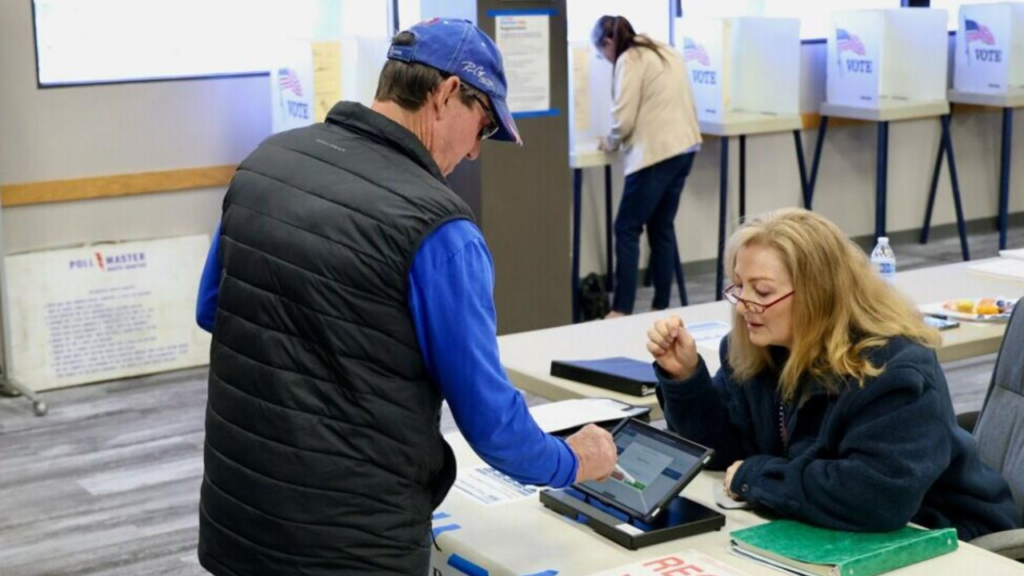
Gwinnett County offers multiple voting methods, including in-person voting on election day, early in-person voting, and absentee ballot submissions. Each method has specific rules and deadlines. Familiarity with these options increases accessibility and reduces barriers to participation.
Voter education campaigns often highlight procedural information to ensure residents understand how to cast their votes effectively. Awareness of requirements like identification and registration verification is essential for smooth participation.
Key Issues
Local elections focus on issues directly affecting residents. Common priorities include public safety, traffic and infrastructure, taxes, growth management, and community services. Candidates present differing strategies to address these areas, and voters weigh proposals against community needs and values.
Understanding which issues matter most to oneself and the community helps residents prioritize candidates aligned with those concerns. Local elections often produce immediate and tangible effects on daily life.
Candidate Evaluation
Evaluating candidates involves more than party affiliation. Residents should consider:
- Leadership experience and credibility
- Communication and engagement with the community
- Policy proposals on safety, growth, and fiscal management
- Alignment with personal and neighborhood priorities
Informed evaluation enables voters to select leaders capable of responding to complex challenges while maintaining transparency and accountability.
Voter Engagement Importance
High voter participation strengthens democracy and ensures elected officials reflect community preferences. Low turnout can lead to narrow representation that may not account for diverse perspectives. Engaged voters influence both policy direction and the effectiveness of local government.
Community forums, candidate debates, and informational events provide opportunities to ask questions, compare platforms, and assess leadership readiness. Active involvement demonstrates investment in the county’s future.
Understanding Ballots
Ballots include multiple positions, each with unique responsibilities. Residents may encounter straight-ticket options, individual candidate selections, and measures related to local policies or taxes. A clear understanding of ballot items ensures informed decision-making and prevents errors that could affect election outcomes.
Residents are encouraged to review sample ballots, attend information sessions, and clarify questions before election day. Preparation reduces confusion and supports confident voting.
Impact of Local Elections
County elections affect infrastructure, public safety, community services, taxation, and growth management. Leadership decisions in these areas influence daily life, economic development, and long-term planning. Voters’ choices have tangible consequences for families, businesses, and neighborhoods.
Understanding this impact emphasizes the significance of participation. Local elections are not symbolic; they directly shape governance and quality of life in Gwinnett County.
Community Participation
Engaged communities foster accountability and trust. When residents participate actively in elections, leaders are motivated to be transparent, responsive, and aligned with public priorities. Civic engagement also encourages broader discussion of policies and strengthens democratic culture.
Community participation includes attending meetings, providing feedback, and voting consistently. These actions reinforce the link between citizen voice and policy outcomes.
Education Resources
Voter education resources are available through official county channels and civic organizations. Materials include candidate information, procedural guides, and issue summaries. Accessing these resources enables residents to make informed decisions and better understand how county governance operates.
Educated voters are empowered voters. Knowledge of election mechanics and leadership responsibilities reduces reliance on assumptions or incomplete information.
Long-Term Implications
Decisions made during the 2025–2026 cycle will influence the county for years, shaping growth patterns, budgets, and community priorities. Leadership continuity, effectiveness, and responsiveness impact both present conditions and long-term outcomes.
Residents who participate thoughtfully contribute to shaping a stable and prosperous county. Informed engagement ensures that leadership reflects collective values and community needs.
Closing Reflections
The 2025–2026 Gwinnett County election cycle represents an opportunity for residents to influence leadership, policies, and the future of their communities. Understanding the structure, roles, and stakes of these elections empowers voters to make informed choices. Active participation strengthens democracy, supports accountability, and ensures county leadership aligns with the needs and priorities of the people it serves.