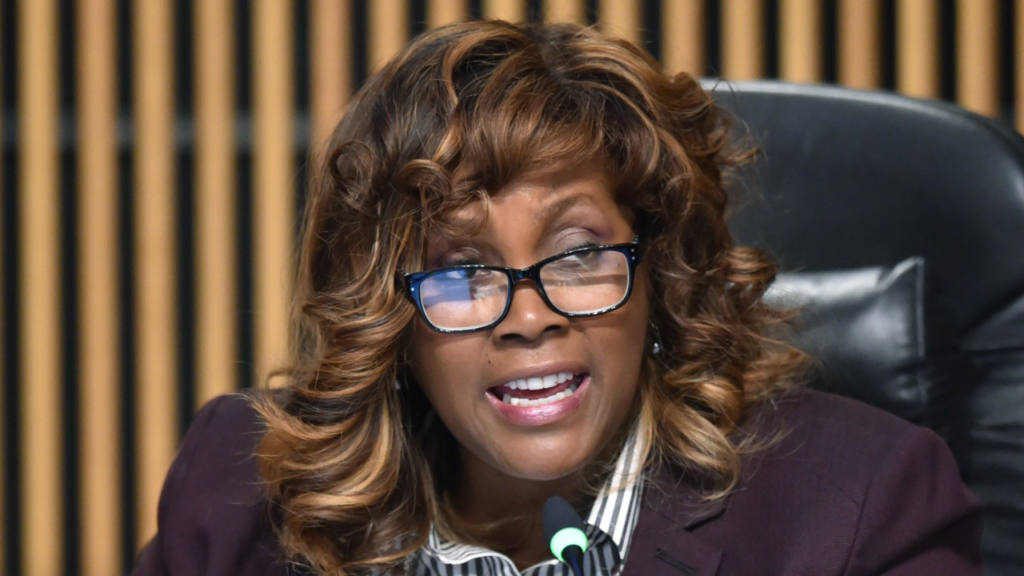
The race for Gwinnett County Commission Chair centers on issues that directly affect residents’ daily lives: taxes, growth, and public safety. Candidates are presenting contrasting approaches to these priorities, making the election a critical moment for voters who want leadership aligned with community needs. Understanding these key issues provides insight into how decisions at the county level can influence both quality of life and long-term development.
This guide highlights the major concerns driving voter attention and explains how candidates’ platforms address them, helping residents make informed decisions.
Table of Contents
Key Issues Overview
| Issue | Impact on Residents |
|---|---|
| Taxes | Property tax rates, budget allocation, and fiscal responsibility |
| Growth | Land use, development, traffic, neighborhood character |
| Public Safety | Crime prevention, law enforcement support, emergency services |
Property Taxes and Fiscal Responsibility
Taxes are one of the most tangible ways county leadership affects households. The Commission Chair influences budget priorities, which in turn shape property tax rates. Candidates emphasize different approaches: some advocate strict fiscal discipline to limit tax increases, while others support investments that may require higher revenue for expanded services.
Residents closely monitor how candidates plan to balance fiscal responsibility with the need for essential services. Decisions in this area affect affordability for homeowners and the funding available for schools, roads, and public safety initiatives.
Managing Growth
Gwinnett County continues to experience population and business growth, raising concerns about infrastructure, traffic congestion, and neighborhood impact. The Commission Chair plays a key role in guiding development through zoning decisions, planning approvals, and long-term growth strategies.
Voters evaluate candidates based on their ability to support controlled, responsible growth that preserves community character. Effective leadership seeks to accommodate development while minimizing disruption to existing neighborhoods and maintaining quality of life.
Traffic and Infrastructure
Closely tied to growth, traffic, and infrastructure planning is a major concern for residents. Road conditions, public transit options, and construction projects directly affect daily commutes and overall accessibility. Candidates’ positions on infrastructure reflect their priorities for managing congestion, maintaining roads, and preparing the county for future expansion.
Residents often weigh proposals based on practicality and long-term sustainability, looking for leadership that balances immediate needs with future planning.
Public Safety Priorities
Public safety remains a top concern for Gwinnett voters. The Commission Chair influences law enforcement funding, emergency services support, and neighborhood safety initiatives. Candidates outline strategies for reducing crime, increasing police presence, and enhancing emergency response systems.
Families particularly value leadership that prioritizes secure neighborhoods where children can play safely, and residents feel protected. Public safety decisions are a critical factor in shaping voter preferences in the race.
Economic Development
Economic growth impacts tax revenue, job opportunities, and community services. Candidates address how to encourage local business development while ensuring responsible fiscal management. Policies supporting small businesses, attracting investment, and creating jobs are weighed alongside their effect on taxes and infrastructure.
Residents consider which approaches best support long-term financial stability and economic vitality without overburdening taxpayers.
Community Services
County leadership decisions also affect parks, libraries, and social programs. Candidates present plans for maintaining and expanding these services in line with growth and budget constraints. Ensuring equitable access to community resources is a point of emphasis during the campaign.
Residents often view these programs as indicators of leadership effectiveness and commitment to quality of life.
Environmental Considerations
Growth and infrastructure planning intersect with environmental concerns, such as maintaining green spaces, managing stormwater, and ensuring clean air and water. Candidates’ approaches to environmental stewardship reflect priorities that may influence neighborhood livability and sustainability.
Voters increasingly weigh environmental impact alongside economic and safety considerations when assessing candidates.
Community Engagement
Successful leadership depends on consistent engagement with residents. Candidates who prioritize listening, attending local events, and maintaining open communication often earn stronger support. Engagement ensures that decisions reflect real community needs rather than abstract planning.
Residents value transparency and accountability, expecting leadership to respond to feedback on taxes, growth, and safety issues.
Comparing Candidate Approaches
- Taxes: Some candidates promise restraint to avoid increases, while others prioritize investments for services that may require higher revenue.
- Growth: Positions range from aggressive development promotion to controlled expansion focused on preserving neighborhood character.
- Public Safety: Emphasis varies between enhanced police presence, community-based programs, and broader emergency preparedness initiatives.
These distinctions help voters identify which candidate aligns with their priorities for the county’s future.
Voter Considerations
When evaluating candidates, residents often consider:
- Alignment with personal and community values
- Track record in leadership or public service
- Clarity and feasibility of proposed solutions
- Ability to balance competing priorities effectively
Informed voter decisions require understanding both the issues and how each candidate proposes to address them.
Long-Term Implications
The decisions made by the Commission Chair affect Gwinnett County’s trajectory for years. Growth management, tax policies, and safety initiatives shape the county’s economy, infrastructure, and overall quality of life. Voter engagement in these decisions ensures leadership reflects community expectations.
Parting Insights
Taxes, growth, and public safety remain the central issues shaping the Gwinnett County Commission Chair race. Residents are evaluating candidates based on their ability to balance fiscal responsibility, neighborhood preservation, and security. By understanding these priorities, voters can participate confidently in shaping the county’s future leadership and the policies that impact daily life.