Education shapes the future of any community, and while Gwinnett County’s schools are governed primarily by the school board, the Commission Chair plays a meaningful role in supporting education through funding priorities, partnerships, and strategic oversight. Decisions made by local government influence school resources, community programs, infrastructure planning, and long‑term opportunities for students and families.
This guide explains how the Commission Chair can impact education funding and partnerships, what responsibilities the office carries, and why voters should understand these connections when evaluating leadership.
Table of Contents
Education Impact Overview
| Area | County Role |
|---|---|
| Funding Support | Indirect contributions through budget priorities |
| Partnerships | Collaborations with school leaders and organizations |
| Infrastructure | Planning that affects school capacity and access |
| Community Programs | Joint initiatives supporting youth development |
| Policy Coordination | Aligning county goals with educational needs |
County Funding and Schools
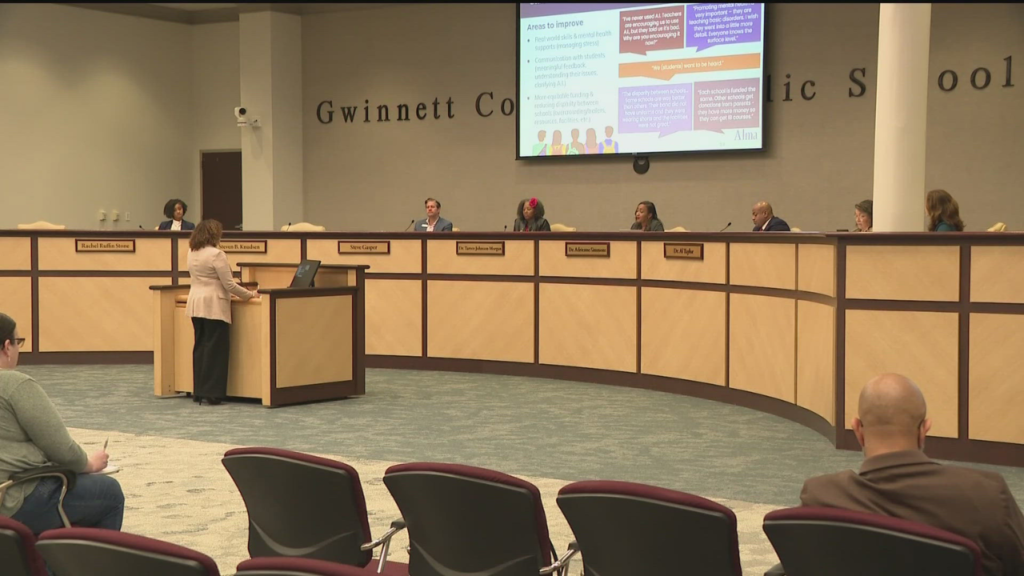
Gwinnett County Public Schools (GCPS) operates under its own elected board, but the Commission Chair influences county budget decisions that affect schools indirectly. County funding priorities determine how resources are allocated for key services that support educational environments, such as public safety around school zones, transportation infrastructure, and community programs.
While the chair does not set school budgets, the leadership’s fiscal planning affects how much county revenue is available for services that impact students and families.
Supporting Safe Learning Environments
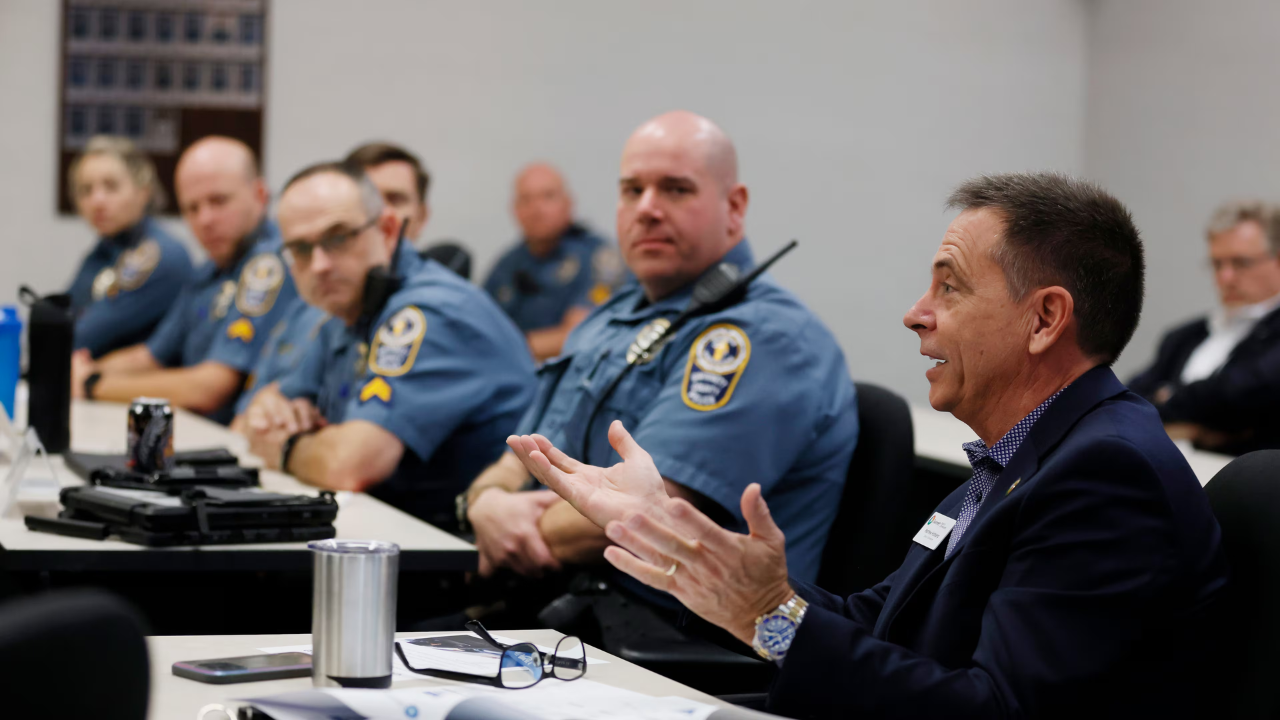
One of the most direct ways the Commission Chair affects schools is through public safety funding. Police and fire departments funded by the county government are essential partners in keeping school zones safe and responding to emergencies. Leadership that prioritizes adequate staffing and resources for first responders contributes to secure environments where students can focus on learning.
Safety support includes:
- School crossing and traffic enforcement
- Emergency preparedness coordination
- Funding for officers assigned to schools
These efforts strengthen trust among families and support daily school operations.
Infrastructure and Access
Transportation and infrastructure decisions influence school accessibility. Roads, sidewalks, and transit options designed with student and family mobility in mind make it easier to reach campuses safely and efficiently.
The Commission Chair’s role in infrastructure planning includes:
- Prioritizing road improvements near school zones
- Supporting pedestrian and bike pathways
- Coordinating transit access for students and staff
Thoughtful infrastructure planning reduces commute times and enhances safety for school communities.
Partnerships With School Leaders
Commission Chairs often engage with school board members, principals, and district leaders to align county initiatives with educational needs. These partnerships can shape programs that extend learning opportunities outside the classroom.
Common areas of collaboration include:
- Workforce development programs for high‑school students
- Internship and mentorship initiatives with local businesses
- Community safety and mental health programs
- Joint support for extracurricular activities
Partnerships strengthen the connection between county government and educational institutions, fostering environments where students thrive beyond academic instruction.
Community and Youth Programs
The county budget often supports community services with educational value, such as libraries, youth centers, and after‑school programs. The Commission Chair helps guide funding decisions that enable these services to flourish.
Programs supported through county resources include:
- Public library expansion and programming
- Summer enrichment and after‑school activities
- Recreation and arts programs tied to youth engagement
These opportunities complement traditional school learning and contribute to well‑rounded development.
Workforce and Career Pathways
Future economic success for students depends on workforce readiness. Commission Chairs can champion programs and partnerships that link education with employment pathways by supporting initiatives such as:
- Career fairs and employer engagement
- Vocational training collaborations with technical schools
- Internship programs coordinated through county business networks
This alignment helps students transition from education into local careers, strengthening the county’s economic base.
Equity and Access
County leadership is increasingly attentive to equity in education support. Initiatives may focus on expanding access to technology, transportation, and enrichment opportunities that help level the playing field for all students.
County‑school partnerships can address gaps in:
- Digital access for underserved communities
- Health and mental wellness resources
- Support services for English learners and special education students
By prioritizing equitable support, leadership enhances outcomes for a broader range of students.
Budget Collaboration
While the school board sets the official education budget, collaboration with county government ensures that county funds are used strategically to complement school spending. Commission Chairs often participate in discussions on shared priorities, such as improving safety infrastructure or expanding community centers that serve educational purposes.
Joint planning leads to:
- More efficient use of public dollars
- Clearer alignment of goals between the county and the schools
- Funding strategies that address community‑wide needs
Residents benefit from coordinated budgeting that avoids duplication and fosters integrated services.
Measuring Impact
Evaluating the success of education‑related initiatives requires clear metrics. Commission Chairs often support data‑driven approaches to monitor outcomes in areas like:
- Safety improvements around schools
- Student participation in community programs
- Career placement and workforce readiness
- Access to enrichment and support services
Data supports accountability and helps leadership refine policies to meet evolving needs.
Engagement With Families
Open communication with parents and families strengthens education support. Commission Chairs often host or participate in community forums where residents discuss school‑related concerns. These engagements provide insight into how county decisions affect educational experiences.
Key feedback themes often focus on:
- Safety and transportation needs
- Access to community resources
- Support for at‑risk and transitioning students
- Coordination between county services and school schedules
Listening to families ensures that leadership decisions reflect lived experiences and priorities.
Policy Coordination Across Agencies
Education outcomes are influenced by more than classroom instruction. Policies on housing, transit, public safety, and economic development intersect with students’ lives. Commission Chairs help align county agency efforts to create supportive environments for learning.
This coordinated approach ensures that:
- Transportation plans consider student needs
- Safety policies protect school communities
- Economic initiatives expand opportunities for families
- Community programs reinforce educational goals
Cross‑agency coordination strengthens long‑term educational and community goals.
Voter Considerations
For voters, understanding how the Commission Chair influences education support helps clarify leadership expectations. Key considerations include:
- Commitment to safe school environments
- Support for youth and community programming
- Engagement with school leaders and families
- Strategic allocation of county resources to complement school budgets
Informed voters can weigh candidates’ education‑related priorities alongside other community needs.
Community Outlook
Strong partnerships between county leadership and schools contribute to healthier, more resilient communities. Gwinnett County residents benefit when education support is integrated into broader county planning rather than treated as an isolated priority.
Leadership that understands this synergy helps ensure that public services, safety measures, and economic opportunities all work together to enhance student success and community vibrancy.
Final Thoughts
The Gwinnett County Commission Chair impacts education funding and school partnerships in meaningful ways. While not the primary education authority, the chair contributes to supportive environments through budgeting, collaboration, infrastructure planning, and community engagement. For voters, understanding these roles clarifies how local leadership shapes educational opportunities and strengthens the county’s future.