For first-time voters in Gwinnett County, understanding local elections can feel overwhelming. The Commission Chair election, held every four years, is a critical race that determines who will oversee county operations, budget decisions, infrastructure planning, and public services. Participating in this election ensures your voice is represented in policies that directly affect daily life, from property taxes to public safety and economic development.
Table of Contents
Election Overview
| Aspect | Details |
|---|---|
| Position | Gwinnett County Commission Chair |
| Term Length | Four years |
| Responsibilities | Budget oversight, policy guidance, public safety, infrastructure, economic development |
| Voting Options | In-person on Election Day, early voting, or a mail-in ballot |
| Eligibility | U.S. citizen, Georgia resident, 18+, registered voter |
Role of the Commission Chair
The Gwinnett County Commission Chair serves as the chief elected official and presiding officer of the Board of Commissioners. Responsibilities include overseeing county budgets, setting policy priorities, managing public infrastructure, and ensuring essential services function effectively. The chair also represents the county in intergovernmental matters and serves as a public spokesperson for county initiatives.
For first-time voters, understanding the power of this office is key. Decisions made by the Commission Chair can affect taxes, roads, public safety, economic development, and quality of life for all residents. Choosing a leader aligned with your priorities ensures your concerns are addressed at the county level.
Eligibility to Vote
To vote in Gwinnett County, residents must meet the following criteria:
- Be a U.S. citizen.
- Be at least 18 years old on or before Election Day.
- Be a resident of Georgia and Gwinnett County.
- Be registered to vote by the state’s deadline.
First-time voters should verify their registration online or contact the Gwinnett County Elections Office to ensure their eligibility and avoid last-minute issues. Registration can be completed online, by mail, or in person at the elections office.
Voting Options
Gwinnett County provides multiple ways for residents to vote:
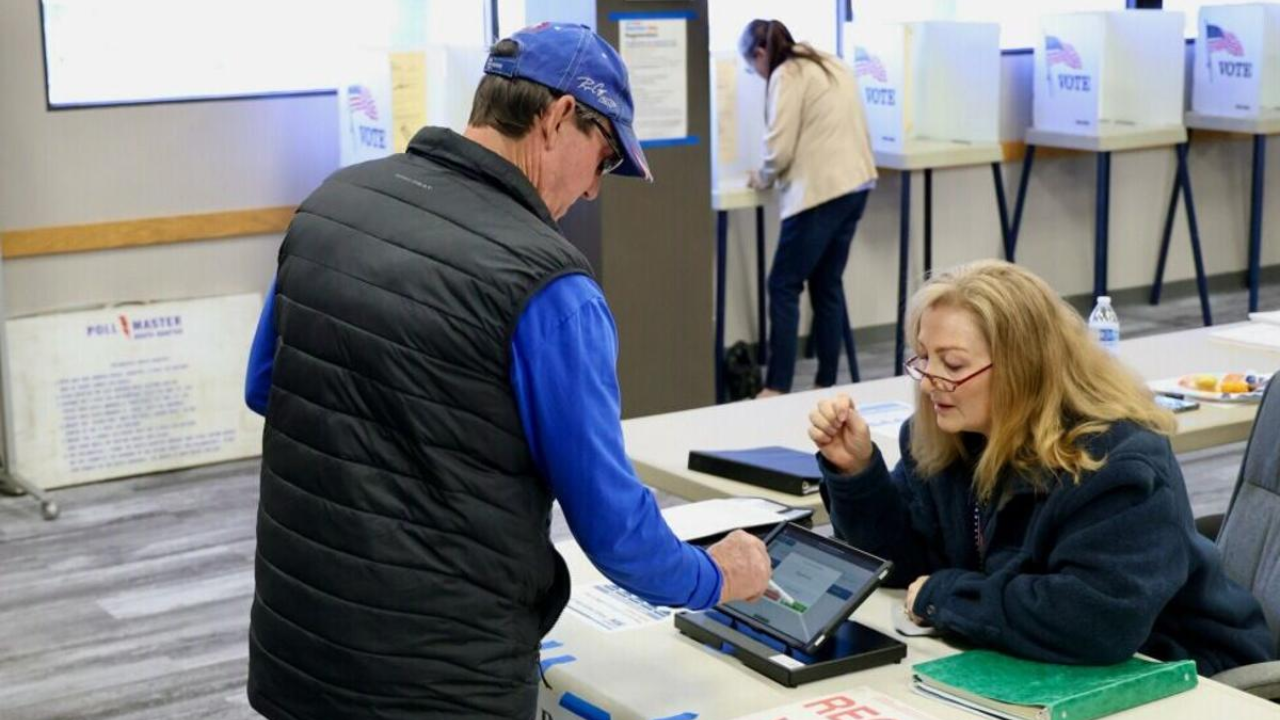
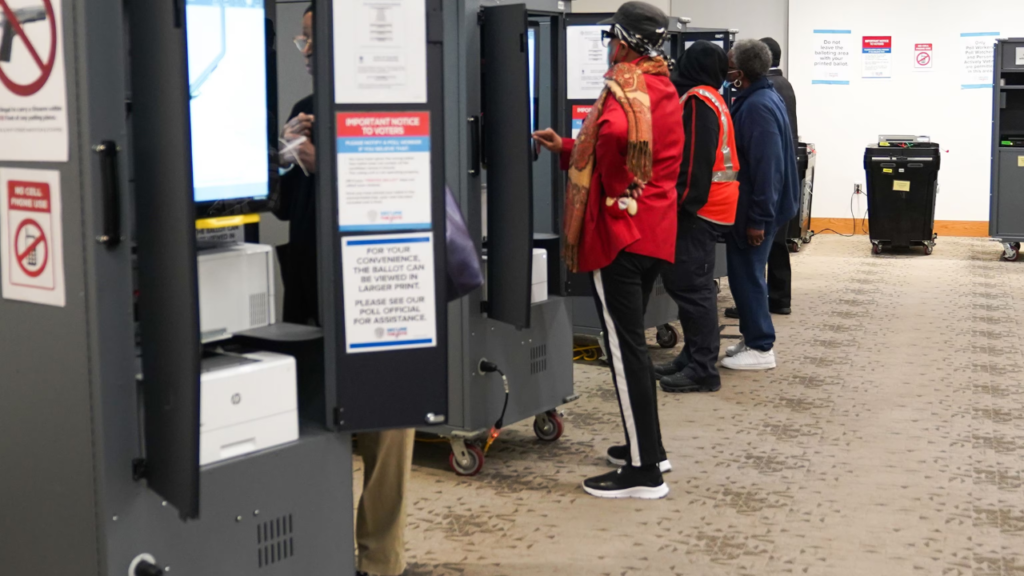
- In-person Voting on Election Day: Polling locations are open for residents who prefer to cast their ballots in person. Voters must bring an acceptable ID and plan for potential lines.
- Early Voting: Available approximately two weeks before Election Day, early voting allows flexibility and can reduce wait times. Any official early voting location can be used, regardless of precinct.
- Mail-In Ballots: Eligible voters can request mail-in ballots, complete them at home, and return them via mail or designated drop boxes. Requests must be submitted before the official deadline to ensure processing.
Understanding these options allows first-time voters to choose the method most convenient for them.
Voter Identification Requirements
All voters must present an approved form of identification when voting in person. Acceptable forms include:
- Georgia driver’s license or state-issued ID
- U.S. passport
- Military or government-issued ID
For those without an ID, state guidelines provide options, including signing a voter affidavit and completing additional verification steps. Being prepared with valid identification ensures a smooth voting experience.
Understanding the Ballot
First-time voters should familiarize themselves with the ballot ahead of time. In addition to the Commission Chair race, the ballot may include county commissioners, school board members, and local referendums. Reviewing candidates’ platforms, public statements, and past performance can help voters make informed decisions.
Resources such as candidate websites, local news coverage, and nonpartisan voter guides can assist in understanding the issues and evaluating choices.
Key Issues in the Election
The Commission Chair race often centers around several key issues:
- Public Safety: Funding for police, emergency services, and crime prevention programs.
- Taxes and Budget: Fiscal responsibility, allocation of county resources, and tax policy.
- Infrastructure: Roads, transportation, and long-term planning for population growth.
- Economic Development: Supporting local businesses, attracting investment, and creating jobs.
- Community Services: Parks, libraries, youth programs, and quality-of-life initiatives.
First-time voters should consider which issues matter most to them and evaluate candidates accordingly.
Preparing to Vote
To ensure a smooth experience, first-time voters should:
- Verify registration and polling location.
- Review the ballot and understand candidate positions.
- Gather acceptable identification.
- Decide on the method of voting: in-person, early voting, or mail-in.
- Plan for transportation or timing to reach polling locations if voting in person.
Preparation reduces stress and ensures that every voter’s voice counts.
Importance of Participation
Local elections, including the Commission Chair race, often have lower turnout than federal elections. First-time voters play a critical role in shaping the county’s leadership and policies. High participation strengthens community representation, ensures diverse perspectives are heard, and helps maintain accountability among elected officials.
Engaging Beyond Voting
Beyond casting a ballot, first-time voters can engage by attending candidate forums, reading local news, and discussing issues with neighbors. Awareness and engagement help residents make informed choices and stay connected to community developments.
Last Words
For first-time voters in Gwinnett County, understanding the Commission Chair election is essential to meaningful participation. The chair influences policies that affect daily life, including public safety, infrastructure, taxes, and community services. By reviewing eligibility, voter ID rules, early voting, and mail-in ballot procedures, new voters can confidently engage in the democratic process and contribute to shaping the county’s future.
Informed participation ensures that first-time voters have a lasting impact on their community, making the Gwinnett County Commission Chair election an opportunity to influence local leadership and policy outcomes effectively.