Gwinnett County has experienced significant population growth over the past decade, leading to challenges in infrastructure, public safety, housing, and community services. As the 2025–2026 Commission Chair election approaches, candidates are presenting distinct strategies to manage this rapid expansion. Understanding their approaches helps residents evaluate which leadership aligns with sustainable growth and quality-of-life priorities.
Table of Contents
Population Growth Overview
| Candidate | Growth Approach | Key Strategies |
|---|---|---|
| John Sabic (Republican) | Controlled, sustainable growth | Strategic zoning, infrastructure prioritization, preservation of neighborhood character |
| Nicole Love Hendrickson (Democrat) | Inclusive, managed expansion | Development incentives, public transit improvements, and equitable housing initiatives |
John Sabic’s Growth Management Plan
John Sabic emphasizes controlled and sustainable growth to ensure Gwinnett County maintains its family-oriented neighborhoods and community values. He believes that rapid, unchecked expansion can strain infrastructure, reduce safety, and impact the quality of life.
Key elements of Sabic’s plan include:
- Strategic Zoning: Implementing zoning policies that prevent overcrowding and protect residential areas.
- Infrastructure Prioritization: Focusing investments on roads, traffic management, and essential public facilities to accommodate population increases efficiently.
- Neighborhood Preservation: Ensuring that new developments blend with existing communities and maintain the county’s character.
- Fiscal Responsibility: Balancing growth with the county budget to prevent overtaxing residents while funding necessary services.
Sabic’s approach prioritizes measured growth that aligns with Gwinnett’s long-term vision, aiming to avoid congestion, overdevelopment, and compromised safety.
Nicole Love Hendrickson’s Growth Strategy
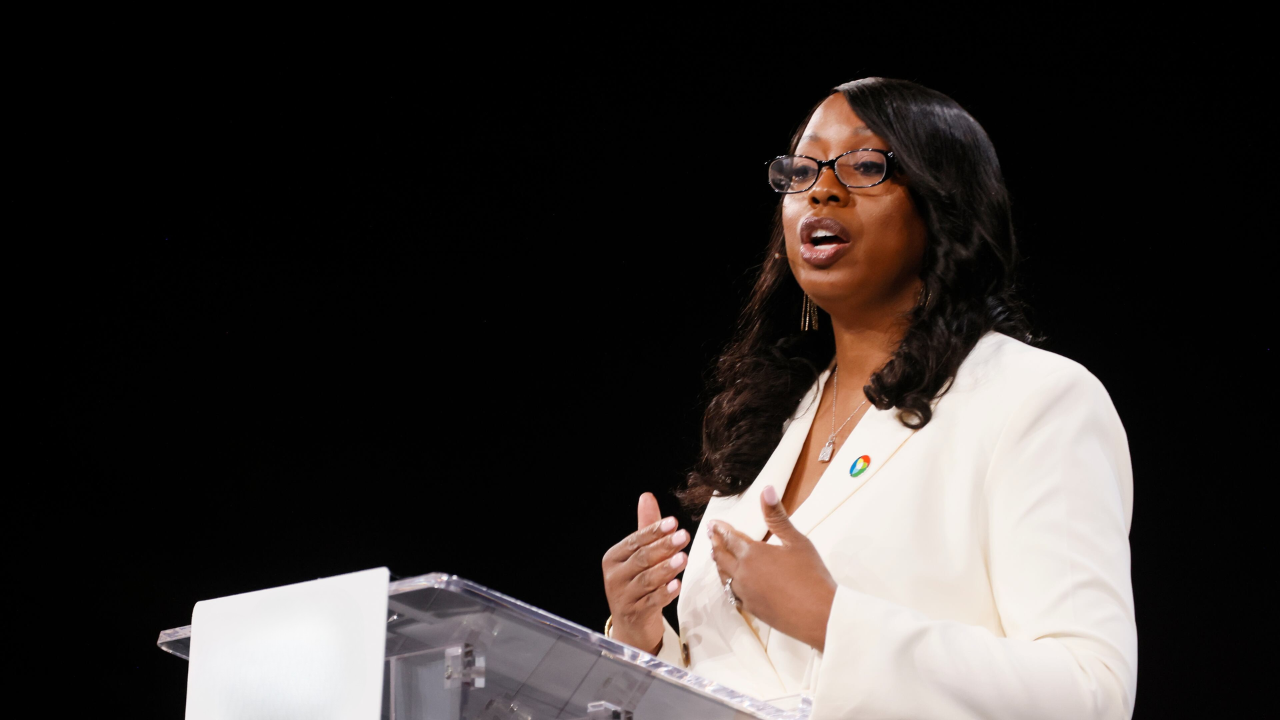
Incumbent Nicole Love Hendrickson advocates for inclusive, managed expansion that supports population growth while providing equitable opportunities for all residents. Her focus is on accommodating new residents without compromising access to services or economic opportunity.
Key aspects of Hendrickson’s strategy include:
- Development Incentives: Encouraging mixed-use development and commercial investment to support housing and job growth.
- Public Transit Expansion: Enhancing transportation options to ease congestion and connect residential and business areas efficiently.
- Equitable Housing Initiatives: Promoting affordable housing projects to ensure families of varying incomes can remain in the county.
- Community Services Expansion: Scaling public programs, parks, and recreational facilities to meet the needs of a growing population.
Hendrickson emphasizes planning for inclusive growth that integrates infrastructure, housing, and economic development while addressing the needs of diverse communities.
Comparing Approaches
While both candidates acknowledge population growth as a key challenge, their approaches differ:
- Sabic emphasizes controlled, strategic growth to maintain neighborhood character, prevent overcrowding, and ensure fiscal prudence.
- Hendrickson focuses on inclusive expansion, leveraging development and public services to accommodate growth while promoting equity and opportunity.
Voters must consider which approach best aligns with their priorities for infrastructure, housing, and overall quality of life in Gwinnett County.
Impact on Public Services and Infrastructure
Population growth directly affects public safety, transportation, schools, and community programs. Sabic’s plan prioritizes strategic investments in essential infrastructure and traffic management to prevent strain on services. Hendrickson’s strategy expands access to services and public transit to ensure growth does not limit opportunities or create inequities.
Effective leadership in managing population growth requires balancing immediate needs with long-term planning, ensuring roads, schools, and public services remain adequate for all residents.
Long-Term Considerations
Both candidates recognize that population growth will continue shaping Gwinnett County’s future. Sabic’s measured approach emphasizes stability, fiscal responsibility, and preservation of the county’s character. Hendrickson’s inclusive strategy focuses on equitable access to housing, jobs, and public services for a growing, diverse population.
Residents should weigh which approach better addresses traffic congestion, public safety, housing affordability, and community services while maintaining quality of life.
Voter Takeaways
Key factors for voters to consider include:
- Alignment with growth management priorities (controlled vs. inclusive growth)
- Impact on taxes and county budgets
- Planning for infrastructure, traffic, and public services
- Housing affordability and neighborhood preservation
- Support for economic development alongside population expansion
Understanding these differences enables residents to make informed choices about the county’s leadership and the direction of Gwinnett’s growth.
Wrapping Up
Gwinnett County’s rapid population growth presents both opportunities and challenges. The Commission Chair’s leadership will determine how effectively the county manages development, infrastructure, and community services while preserving quality of life.
John Sabic’s focus on controlled, sustainable growth contrasts with Nicole Love Hendrickson’s inclusive, managed expansion approach. By evaluating these strategies, voters can select a leader whose vision aligns with their priorities for growth, community character, and long-term prosperity.