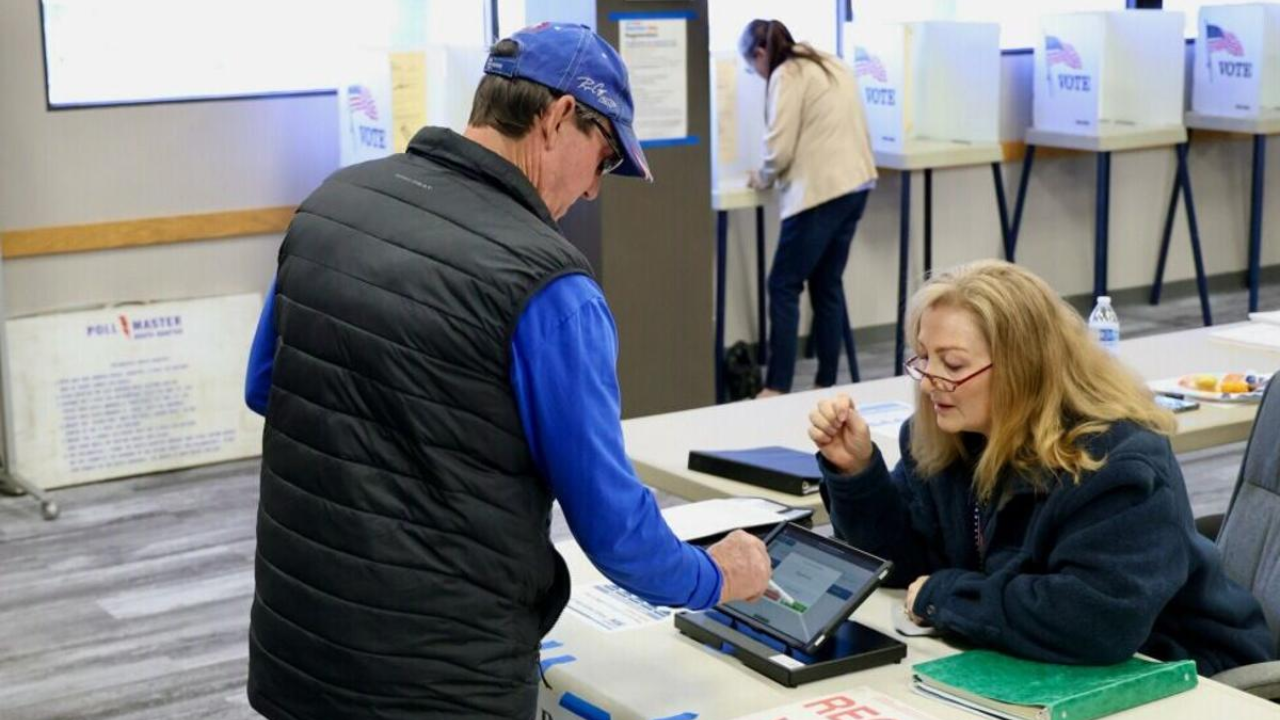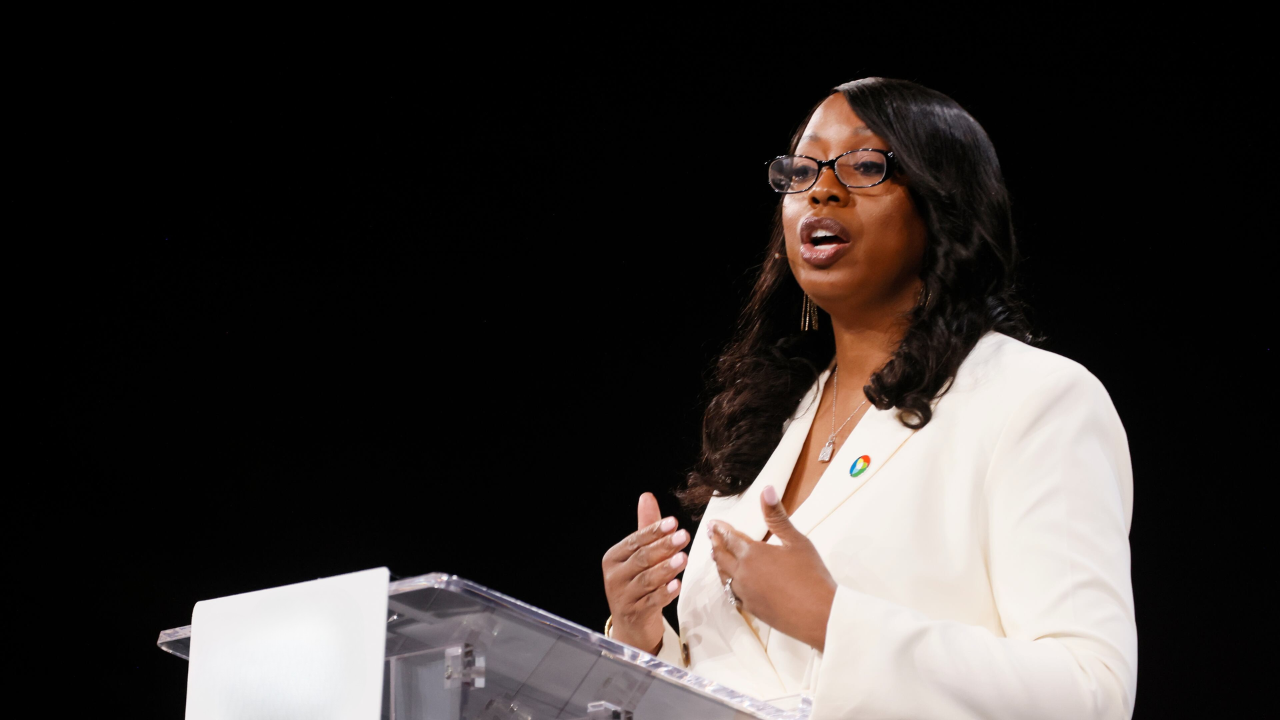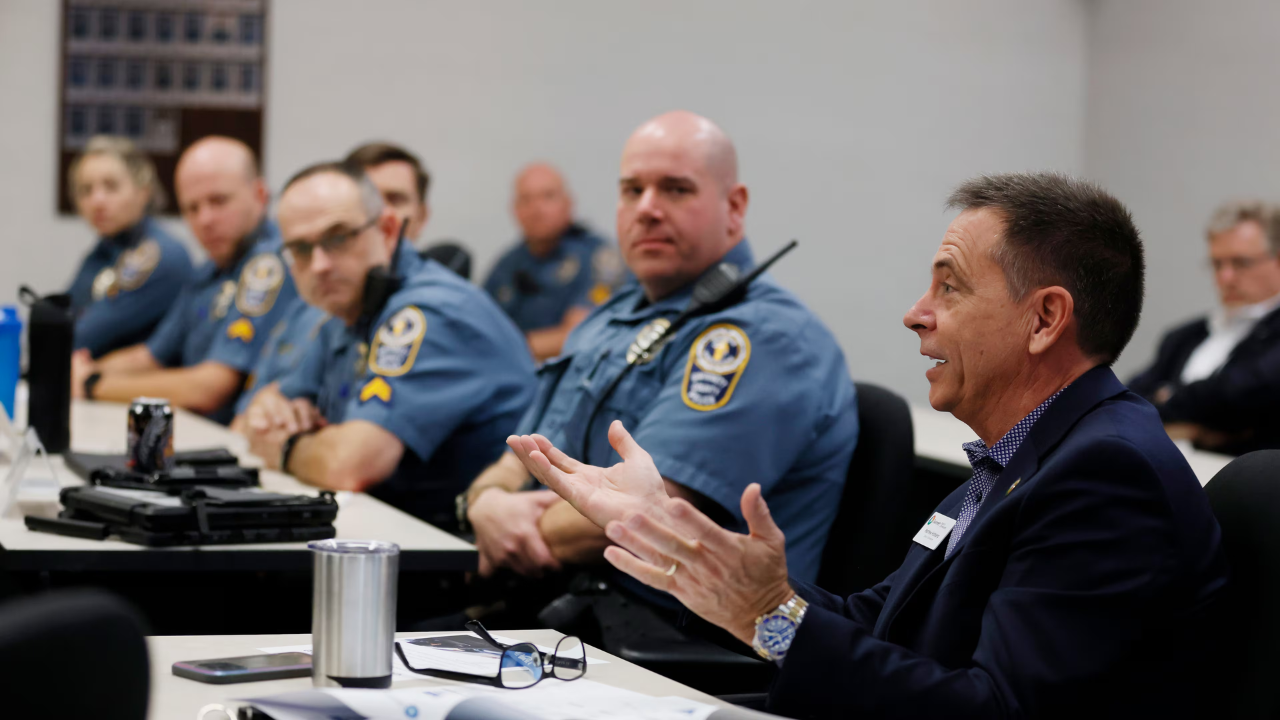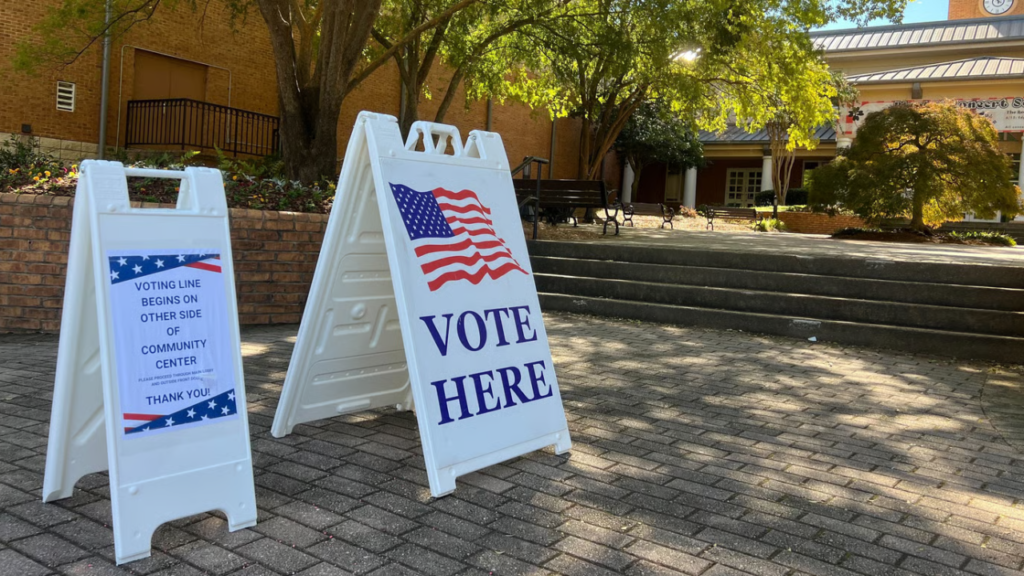
The 2025 Gwinnett County elections are shaping the future of local leadership across key offices. With important races underway, residents are evaluating how candidates plan to address pressing issues like growth, infrastructure, public safety, fiscal responsibility, and quality of life. These elections influence policy direction, community priorities, and the balance between continuity and change in county governance.
As residents prepare to cast their ballots, the stakes reflect broader concerns about sustainable development, effective services, and how local government responds to citizen needs. The outcomes will impact decision-making on transportation, budgeting, community planning, and social services.
Table of Contents
Election Overview
| Position | Key Focus |
|---|---|
| Commission Chair | Leadership direction, growth strategy |
| County Commission | Policy priorities, development oversight |
| School Board | Education quality, student support |
| Local Courts | Justice administration, legal services |
| Municipal Seats | City-level planning and services |
Leadership Direction
The 2025 elections offer Gwinnett County voters a chance to shape leadership across multiple levels of local government. These races determine who will guide policy on growth, fiscal planning, and public services. With a mix of incumbents and new challengers, the ballot presents options that appeal to a range of community perspectives.
Voters are closely reviewing candidate platforms to assess how proposed policies align with their priorities. Leadership direction is a dominant theme, as residents seek clarity on future strategic goals and government responsiveness.
Commission Chair Race
The Commission Chair remains a high-profile contest in the 2025 elections. This role sets the tone for county governance, budget priorities, and intergovernmental coordination. Candidates emphasize differing visions on issue areas such as public safety, infrastructure investment, and economic development.
The race draws attention from residents because of its influence on countywide strategy and resource allocation. Debate around the Chair position reflects broader discussions on balancing growth with community character and fiscal prudence.
County Commission Seats
Beyond the Chair, several County Commission seats are contested. These positions collectively determine legislative priorities, zoning decisions, and spending approvals. Candidates for commission seats often focus on neighborhood-level concerns, including traffic congestion, parks, environmental issues, and service delivery.
Commission races have implications for how growth is managed and how regulations adapt to evolving community needs. The composition of the commission affects approval of development projects and local policy enforcement.
School Board Elections
Education remains a central issue in the 2025 elections. School Board races influence policy on curriculum, school safety, budgeting, and student services. These seats often attract parents and educators who seek greater input on classroom environments and district priorities.
Decisions made by the School Board directly affect resource allocation and educational outcomes for students across the county. Voter engagement in these races reflects community interest in shaping the future of local schools.
Judicial and Legal Races
Local court and judicial seats are also part of the election landscape. These positions impact how justice is administered, how legal processes are managed, and how residents interact with the legal system at the county level. Candidates emphasize fairness, efficiency, and accessibility in the judicial system.
Judicial races may receive less public attention than executive or legislative contests, but they play a vital role in maintaining community trust and legal integrity.
Municipal Leadership
City councils and mayoral seats in Gwinnett’s incorporated areas are integral to local decision-making. These positions guide city-level services such as zoning enforcement, public works, and community programs. Municipal elections often focus on quality-of-life issues close to residents’ daily experiences.
Strong municipal leadership enhances coordination with county officials and ensures city priorities are represented in broader planning efforts.
Key Issues on the Ballot
Across all 2025 races, several recurring issues shape candidate platforms and voter discussions:
- Growth management and land use — balancing development with infrastructure capacity and neighborhood character
- Public safety and emergency services — ensuring effective protection and response capabilities
- Fiscal responsibility and taxation — managing budgets and tax burdens with transparency
- Infrastructure and traffic solutions — improving roads, transit, and public facilities
- Education and youth services — supporting student achievement and safe schools
These themes resonate across different offices, reflecting community priorities and expectations for responsive leadership.
Voter Engagement
Voter engagement appears strong as residents express greater interest in local policy outcomes. Community forums, candidate debates, and informational events help voters compare positions and ask direct questions. Engagement levels often rise when key issues affect daily life, such as school performance or traffic congestion.
Efforts to increase voter turnout and awareness are prominent in 2025. Candidates and local organizations encourage participation through educational campaigns and outreach.
Policy Implications
The 2025 elections carry policy implications that will unfold over the coming years. Decisions made by newly elected officials will shape long-term planning in areas like economic development, housing affordability, public safety, and transportation. These outcomes influence the county’s competitiveness and quality of life.
Policymaking priorities will be visible in budget cycles, infrastructure projects, and legislative actions. Voters are weighing platforms based on both immediate concerns and future trajectories.
Community Outlook
As the election season progresses, the community remains attentive to how leadership changes might alter county’s direction. Candidates across offices are offering diverse perspectives, encouraging dialogue on priorities and governance styles.
The 2025 elections provide a pivotal moment for Gwinnett County, giving residents the opportunity to reaffirm values and choose leaders who reflect their vision for the future. Success in these races will depend on how well candidates demonstrate understanding of constituent concerns and present actionable plans.
Closing Perspectives
The 2025 Gwinnett County elections represent more than a routine civic exercise. They offer a snapshot of community priorities and an opportunity to steer local leadership toward responsive, effective governance. From countywide offices to school boards and municipal seats, the outcomes will influence policy for years to come. Residents engaged in these races are shaping not just leadership, but the trajectory of Gwinnett County’s growth, services, and overall quality of life.