Many residents focus on national elections, but local leadership in Gwinnett County has a more immediate impact on household finances, especially property taxes. Decisions made by elected officials, particularly the Gwinnett County Commission Chair and the Board of Commissioners, influence tax rates, budget allocation, and spending priorities. Understanding how local elections shape taxes helps residents engage meaningfully and hold leaders accountable.
Table of Contents
Tax Influence Overview
| Aspect | Impact |
|---|---|
| Commission Chair | Sets policy priorities and guides budget planning |
| Board of Commissioners | Approves budgets, tax rates, and funding allocations |
| Public Services | Funding for police, fire, infrastructure, and community programs |
| Property Tax Rates | Determined by budget needs and policy priorities |
| Long-Term Planning | Growth management affects future tax obligations |
The Commission Chair’s Fiscal Role
The Gwinnett County Commission Chair plays a central role in shaping the county’s budget, which directly affects property taxes. The chair proposes fiscal priorities, allocates resources across departments, and ensures efficient use of taxpayer money.
Decisions about funding for infrastructure, public safety, and community programs can increase or reduce the tax burden on residents. For example, prioritizing road improvements may require higher spending in the short term, while focusing on cost efficiency and fiscal responsibility can help stabilize taxes.
Board of Commissioners’ Influence
While the chair sets policy direction, the Board of Commissioners approves budgets and tax rates. Collaboration between the chair and board is essential for fiscal health. Residents’ taxes reflect decisions made by both entities regarding spending priorities, debt management, and service provision.
Understanding this relationship clarifies why elections for both the chair and board are crucial. A fiscally responsible leadership team balances community needs with taxpayer interests.
Public Services and Tax Allocation
Property taxes fund essential public services, including police, fire departments, libraries, parks, and schools. The Commission Chair influences how funds are allocated to these services. Leadership decisions determine whether resources are directed toward new initiatives, maintenance, or emergency response readiness.
Residents often notice the impact of these decisions on the quality and availability of services. Well-managed allocations can enhance safety, recreation, and infrastructure while preventing unnecessary tax increases.
Infrastructure and Growth Management
Taxes are closely tied to county growth. New developments, roads, and infrastructure projects require funding, often sourced from property taxes or bonds approved by county leadership.
The chair and commissioners plan for long-term growth to ensure that the county can accommodate population increases without overburdening taxpayers. Strategic planning helps manage traffic congestion, maintain public services, and preserve community character while keeping taxes reasonable.
Property Tax Rates Explained
Property taxes in Gwinnett County are based on property assessments and the budgetary needs determined by county leadership. Increases or decreases in tax rates reflect decisions about spending priorities, debt service, and new projects.
Voters should pay attention to candidates’ fiscal policies, including:
- Plans to control spending
- Approaches to funding infrastructure and public safety
- Strategies for balancing growth with budget constraints
Understanding these policies helps residents anticipate how their taxes may change under different leadership.
Economic Development and Tax Impact
Economic policies led by the Commission Chair can also influence taxes indirectly. Supporting business growth, attracting investment, and fostering job creation expands the tax base, which can reduce reliance on property taxes for funding services.
A chair who emphasizes economic development can help stabilize tax rates by increasing revenue from commercial sources while maintaining quality services for residents. Conversely, neglecting growth opportunities may place more burden on homeowners.
Community Services and Tax Priorities
Community programs, including youth services, libraries, and recreational facilities, are funded largely through county budgets. The chair’s leadership determines which programs receive priority, affecting both service availability and overall tax allocation.
Residents benefit when leadership balances essential services with fiscal responsibility, ensuring that taxes support programs that improve the quality of life without excessive increases.
Voter Responsibility
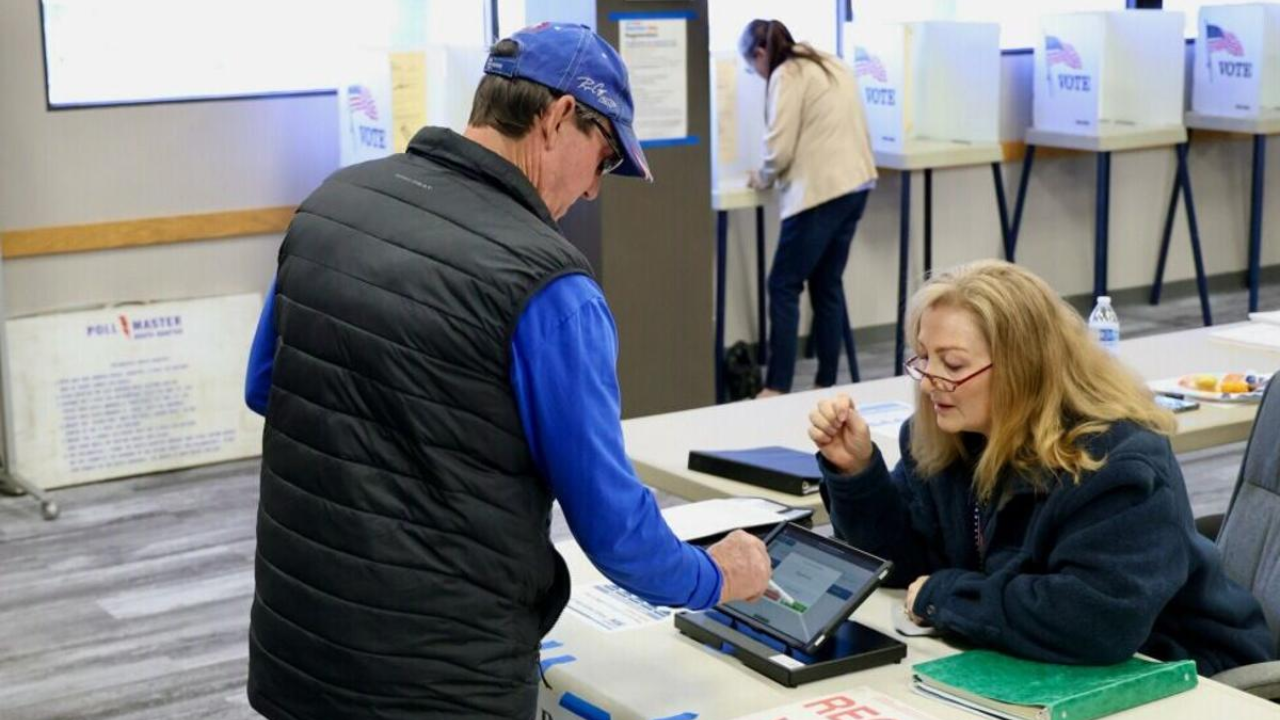
Local elections are where residents have the most direct influence on how their tax dollars are used. Participating in elections for the Commission Chair and Board of Commissioners allows residents to select leaders whose priorities align with their views on spending, growth, and community services.
High voter engagement ensures accountability and transparency in fiscal decisions, making the electoral process essential for managing taxes effectively.
Long-Term Implications
Decisions made by county leadership today affect property taxes for years to come. Infrastructure projects, debt management, and growth policies have lasting consequences. By electing fiscally responsible officials, residents can help ensure sustainable tax rates, quality public services, and well-planned community development.
Summing Up
Local elections in Gwinnett County, especially the Commission Chair race, have a direct and tangible impact on taxes. Leadership decisions shape budgets, fund public services, manage growth, and influence the county’s economic health.
Voters who understand the connection between local leadership and taxes can make informed choices that protect their financial interests while supporting quality community services. Active participation ensures that Gwinnett County remains a well-managed, safe, and prosperous place to live.