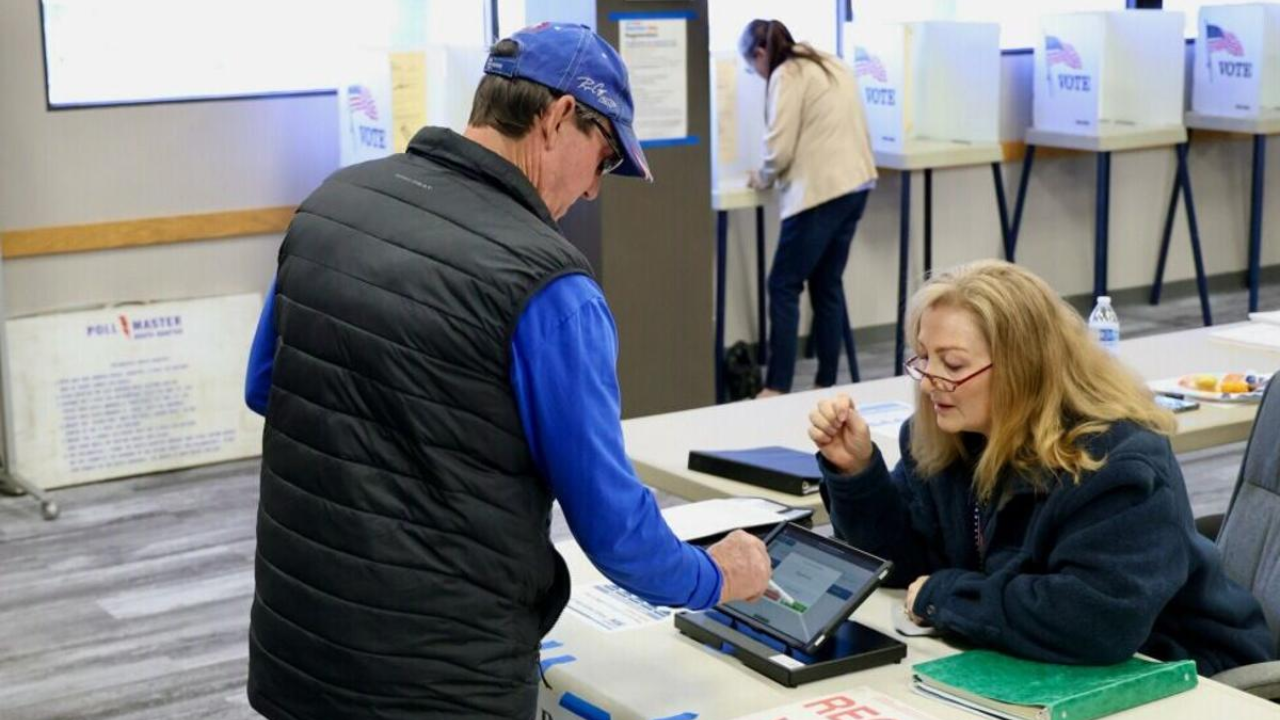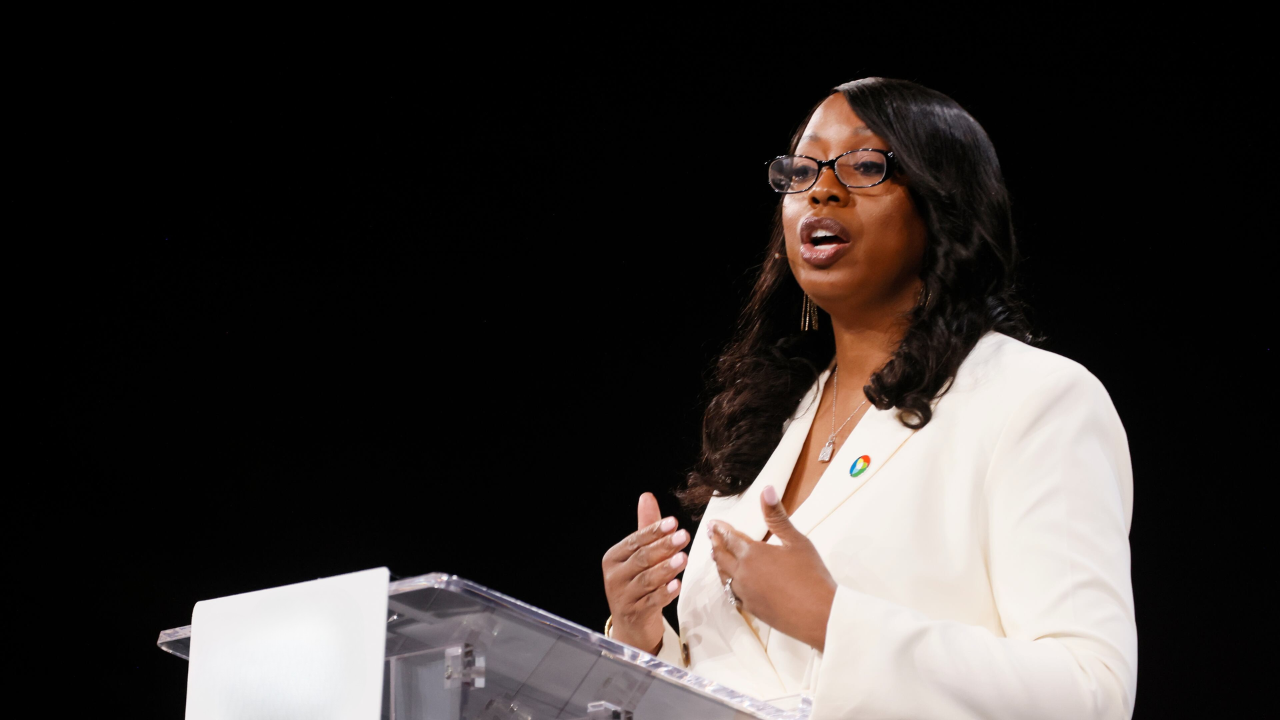
Understanding local government roles is essential for informed voting, especially in county-level elections that directly affect daily life. The Gwinnett County Commission Chair plays a central role in shaping policies, managing resources, and guiding long-term development. For many voters, this position influences everything from public safety to infrastructure planning.
This guide explains the responsibilities, authority, and impact of the Gwinnett County Commission Chair in clear terms. By understanding this role, voters can better evaluate candidates and make decisions that align with community priorities and future goals.
Table of Contents
Role Overview
| Area | Description |
|---|---|
| Leadership | Presides over county governance |
| Budget Control | Oversees county finances |
| Policy Direction | Guides county priorities |
| Public Safety | Supports emergency services |
| Community Role | Represents county interests |
Role Definition
The Gwinnett County Commission Chair serves as the chief elected official of the county commission. This role involves leading meetings, setting agendas, and ensuring that county business is conducted efficiently and transparently. While the chair is one vote among commissioners, the position carries additional leadership responsibilities.
Voters should understand that the chair does not act alone. Decisions are made collectively, but the chair’s influence lies in coordination, organization, and strategic guidance that helps the commission function effectively.
Governing Authority
The commission chair holds authority to guide how discussions are structured and how priorities are presented. By managing meeting flow and facilitating debate, the chair ensures that issues are addressed fairly and thoroughly. This authority shapes how policies are debated and refined.
Effective governance depends on balanced leadership. A strong chair encourages collaboration among commissioners while keeping discussions focused on countywide interests rather than individual agendas.
Budget Oversight
One of the most significant responsibilities of the commission chair is budget oversight. The chair plays a key role in shaping annual budgets, reviewing spending priorities, and ensuring fiscal responsibility across departments. These decisions affect taxes, public services, and long-term financial stability.
Budget oversight requires careful evaluation of needs versus resources. Voters often assess candidates based on their ability to manage funds responsibly while maintaining essential services for residents.
Policy Leadership
Policy direction is another core function of the chair. While policies are approved collectively, the chair helps set the tone for discussions on growth, development, transportation, and community services. This leadership influences which issues receive attention and urgency.
Policy leadership requires foresight. The chair must consider how current decisions will affect future generations, balancing progress with preservation of community values.
Public Safety
Public safety remains a top concern for many residents. The commission chair supports law enforcement, fire services, and emergency response systems through funding decisions and policy guidance. While not directly managing departments, the chair helps ensure they are equipped and supported.
Residents often judge leadership by safety outcomes. Clear priorities and consistent support for public safety initiatives strengthen community confidence in county governance.
Infrastructure Planning
Infrastructure planning includes roads, transit systems, utilities, and public facilities. The commission chair helps guide long-term planning to accommodate growth while minimizing disruption. These decisions affect daily commutes, neighborhood development, and economic activity.
Infrastructure requires strategic thinking. Poor planning can lead to congestion and inefficiency, while thoughtful leadership can improve the quality of life across the county.
Economic Development
Economic development falls under the broader responsibilities of the county commission, with the chair playing a guiding role. Encouraging business growth, job creation, and investment helps strengthen the county’s tax base and employment opportunities.
Voters often look for leaders who understand economic balance. Supporting growth while protecting residents from excessive tax burdens is a key expectation of the chair’s role.
Community Representation
The commission chair represents Gwinnett County in regional discussions and public forums. This includes working with neighboring jurisdictions, state agencies, and community organizations. Representation ensures the county’s interests are clearly communicated.
Strong representation builds trust. Residents value leaders who advocate effectively for the county while remaining accessible to local concerns.
Administrative Coordination
Administrative coordination involves working closely with county staff and department heads. The chair helps align departmental efforts with commission goals, ensuring services are delivered efficiently and consistently.
Coordination reduces inefficiency. When leadership and administration work in harmony, residents experience smoother service delivery and clearer communication.
Growth Management
Managing growth is one of the most challenging aspects of the role. Gwinnett County continues to evolve, requiring leadership that can balance development with livability. The chair helps guide zoning, land use, and planning decisions.
Growth management affects neighborhoods directly. Voters often evaluate candidates on their approach to responsible, controlled development that respects community character.
Citizen Engagement
- Encouraging public participation
- Listening to resident concerns
- Supporting transparent meetings
- Promoting civic awareness
Citizen engagement strengthens democracy. The chair plays a role in ensuring residents feel heard and included in county decision-making.
Legal Responsibilities
The commission chair must operate within state and local laws while ensuring compliance across county operations. This includes ethical standards, procedural rules, and regulatory requirements.
Legal responsibility requires diligence. Missteps can affect public trust, making adherence to rules a critical part of effective leadership.
Crisis Response
During emergencies or unexpected events, the commission chair provides leadership and coordination. While operational responses are handled by professionals, the chair supports communication and resource allocation.
Crisis leadership tests preparedness. Clear communication and steady guidance help maintain public confidence during challenging times.
Decision Influence
- Agenda-setting authority
- Meeting leadership
- Strategic guidance
- Collaborative decision-making
Influence does not mean unilateral control. The chair’s impact comes from guiding discussions and fostering cooperation among commissioners.
Voter Impact
For voters, understanding this role clarifies why the commission chair election matters. Decisions made at the county level influence taxes, safety, infrastructure, and daily services more directly than many higher offices.
Informed voters can better assess candidates’ experience and vision. Knowing the scope of the role helps align expectations with realistic outcomes.
Accountability Measures
Accountability is built through public meetings, budget reviews, and electoral processes. The chair is accountable not only to fellow commissioners but also to the residents of Gwinnett County.
Transparency strengthens accountability. Voters often expect regular communication and openness from county leadership.
Leadership Qualities
Successful commission chairs share common qualities: integrity, communication skills, and the ability to balance competing interests. Leadership style influences how effectively the county operates.
Voters often prioritize steadiness and fairness. These qualities shape long-term trust in county governance.
Moving Forward
The Gwinnett County Commission Chair holds a role that blends leadership, coordination, and public responsibility. From budget oversight to community representation, this position directly shapes how the county functions and grows. For voters, understanding these responsibilities provides essential context when evaluating candidates and participating in local elections that impact everyday life across Gwinnett County.