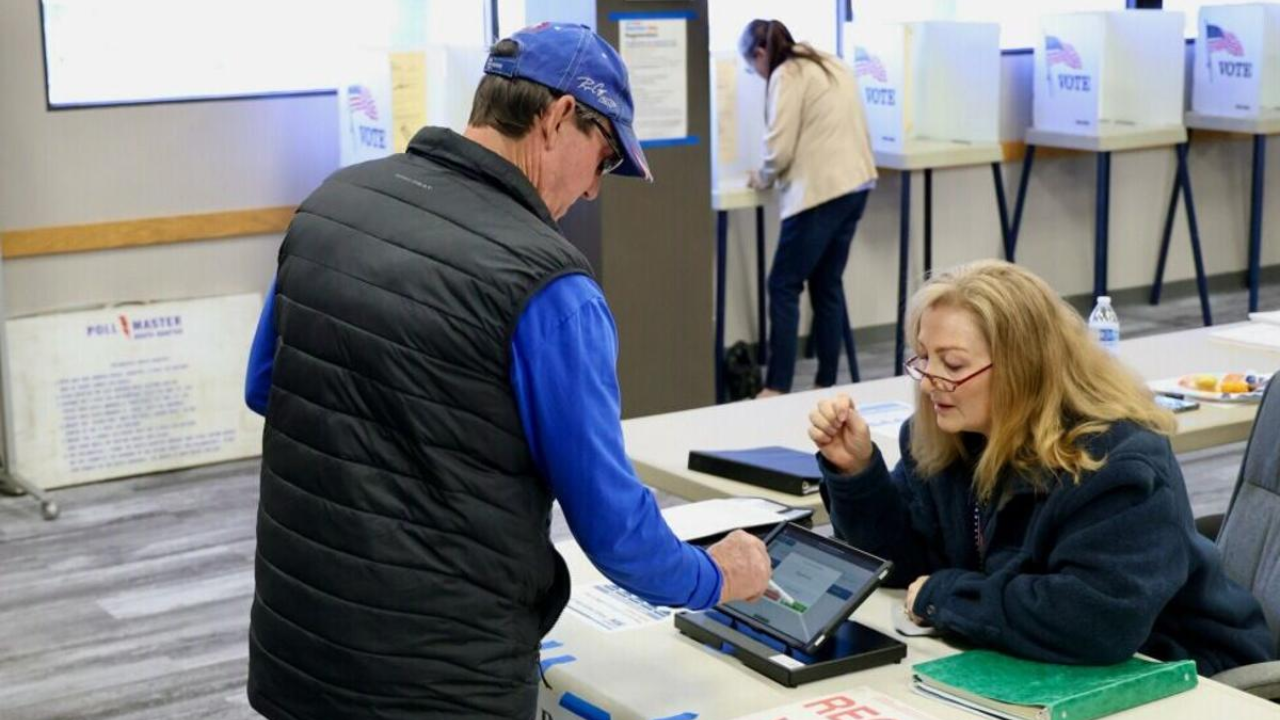
Local elections often receive less attention than national races, but the Gwinnett County Commission Chair election is one of the most important votes residents can cast. This position holds significant influence over county policies, budgets, and community services, directly impacting daily life for all residents. Understanding why this election matters can help voters make informed decisions and appreciate the real stakes involved.
Table of Contents
Election Significance Overview
| Factor | Impact |
|---|---|
| Budget Control | Oversees county spending, taxes, and allocation of resources |
| Public Safety | Determines priorities for police, fire, and emergency services |
| Infrastructure | Influences roads, transportation, and long-term planning |
| Economic Development | Guides business growth, job creation, and investment strategies |
| Community Services | Affects parks, libraries, youth programs, and quality-of-life initiatives |
Influence Over County Budget
One of the primary reasons the Commission Chair election matters is the office’s control over the county budget. The chair has significant input in setting priorities for county spending, allocating funds to essential services, and managing taxpayer dollars responsibly.
Decisions made by the chair can affect property taxes, funding for public safety, infrastructure development, and community programs. A leader who prioritizes fiscal responsibility ensures that growth is sustainable while services remain effective. Conversely, poor budget management can lead to overspending, inefficient programs, or higher taxes for residents.
Public Safety Priorities
The Commission Chair also impacts public safety policies. Funding levels for police, fire departments, and emergency services are largely determined by budget decisions led by the chair.
Public safety is a top concern for residents, and the chair’s priorities influence crime prevention programs, officer staffing, equipment availability, and response times. Leadership that prioritizes safety creates secure neighborhoods where children can play outside, families feel protected, and businesses can operate confidently.
Infrastructure and Transportation
Gwinnett County’s growth brings increased traffic, urban development, and demand for public facilities. The Commission Chair plays a central role in planning infrastructure improvements, road maintenance, and transit initiatives.
Effective leadership ensures that transportation systems meet current needs while anticipating future growth. Poor planning or underinvestment can lead to congestion, longer commutes, and strained public services, affecting the quality of life for residents.
Economic Development Influence
Economic policies guided by the Commission Chair have a lasting effect on local business and employment opportunities. Candidates propose different approaches to attracting investment, supporting small businesses, and creating jobs.
A chair that fosters economic growth helps diversify the local economy, expand the tax base, and create opportunities for residents. Conversely, missed opportunities or ineffective strategies can slow growth and limit access to well-paying jobs.
Community Services and Quality of Life
The chair’s decisions impact services that enhance quality of life, including parks, libraries, recreational programs, and youth services. These programs support family-friendly communities and contribute to public health, social engagement, and neighborhood cohesion.
Leadership that values community services ensures that growth does not come at the expense of livability. Residents benefit when county policies balance development with maintaining access to programs that improve daily life.
Long-Term Strategic Planning
The Gwinnett County Commission Chair also shapes long-term planning. This includes anticipating demographic changes, managing growth sustainably, and aligning county priorities with residents’ needs.
Candidates’ approaches to growth, zoning, housing, and environmental concerns determine how the county evolves. Strategic leadership helps ensure that development is responsible, neighborhoods remain safe, and resources are allocated effectively.
Voter Influence
While the Commission Chair wields significant power, voters ultimately decide who holds the office. Elections determine the leadership style, priorities, and vision that will guide the county. High voter participation strengthens accountability, ensures community needs are addressed, and encourages policies that reflect residents’ values.
First-time voters, in particular, play a critical role. Engaging early ensures their perspectives shape decisions about public safety, infrastructure, taxes, and services that will affect them for years to come.
Key Issues Driving the Election
Several issues make this election especially consequential:
- Property Taxes and Spending: Impacts household budgets and service funding.
- Public Safety and Policing: Determines resources for crime prevention and emergency response.
- Roads and Transportation: Affects commuting, safety, and regional connectivity.
- Economic Growth: Influences business investment and job creation.
- Community Programs: Shapes access to parks, youth services, and libraries.
Understanding these issues allows voters to evaluate candidates beyond party affiliation, focusing on policies that directly impact daily life.
Long-Term Community Impact
Decisions made by the Commission Chair ripple through every aspect of the county. From traffic congestion to school safety, from job opportunities to housing availability, the chair’s leadership affects both immediate needs and future growth.
Residents may not notice every decision, but the cumulative effects of leadership choices shape the character, safety, and prosperity of Gwinnett County for years.
Final Analysis
The Gwinnett County Commission Chair election matters because the position influences budget allocation, public safety, infrastructure, economic development, and quality-of-life services. Local elections may receive less attention than national races, but they have a direct and tangible impact on residents’ daily lives.
Being informed and participating in the election empowers voters to choose leadership that reflects their priorities, ensures fiscal responsibility, and guides the county toward sustainable growth. High engagement strengthens community representation and helps build a safe, prosperous, and well-managed Gwinnett County.